

3D Architectural Rendering Cost Guide for 2026
Introduction
Quotes for 3D architectural rendering cost in 2026 can feel all over the map. One proposal might come in at a few hundred dollars, while the next arrives in the thousands for what sounds like similar work.
For typical US projects this year, a professional 3D architectural rendering usually falls between $300 and $1,500 per still image, with high‑end marketing shots often reaching $2,000 to $3,000 or more. Large commercial visuals and aerials can exceed $10,000, while animations commonly range from $3,000 to $10,000 per finished minute.
This guide explains what drives those prices, breaks down still image and animation ranges, outlines the four main pricing tiers, and shows how AI platforms like VizCloud change the math. Use it to budget wisely and choose the right level for each project.
Key Takeaways
3D architectural rendering cost in 2026 follows clear patterns once you know the main drivers. A few core rules explain most of the price spread you see in quotes.
Still images for residential, commercial, interiors, aerials, floor plans, and virtual staging sit in fairly consistent price bands, with higher detail and complexity pushing them upward. These ranges help architects, designers, and agents sanity‑check quotes before committing budget.
Four price tiers sit below $200, around $300–$500, around $400–$3,000, and above $3,000 per image, each tied to a certain quality level and use case. Picking the wrong tier, either too low or too high, wastes money or harms results.
The biggest cost drivers are labor, complexity, realism level, revisions, and rush deadlines, but smart prep and batching often cut total spend by 20–40%. Clear briefs and consolidated feedback usually matter more than squeezing hourly rates.
AI rendering platforms such as VizCloud compress multi‑day studio workflows into minutes, remove hardware and license spend, and offer predictable pricing. Used well, they let smaller firms get marketing‑grade visuals without the usual overhead.
What Determines 3D Architectural Rendering Cost?
3D architectural rendering cost depends mainly on labor, project complexity, realism level, timelines, and how many views you order. Every quote, whether $300 or $10,000, reflects how much skilled time sits behind the final image.
Labor is the largest slice. A typical studio pipeline involves:
a project manager
a 3D artist
a post‑production specialist
The 3D artist spends the most time, turning plans into geometry, assigning materials, setting up lighting, and framing the camera. Senior artists charge more per hour, yet they often finish faster with fewer revisions, so the final invoice can be lower than with a cheaper but slower junior.
According to industry polling by CGarchitect, labor usually accounts for the majority of visualization budgets, far more than software or render‑farm costs. Hardware and software still matter, but modern GPUs and cloud rendering make the pure compute slice smaller for still images. For animation, render time per frame still affects price, especially at higher resolutions such as 4K.
On top of that labor base, extra work adds up fast. Custom modeling, dense foliage, packed interiors, and detailed context all increase hours. Extra revision rounds, rush deadlines, and large print resolutions add even more. When you compare quotes, you are really comparing how each studio expects these factors to play out for your particular scope.
Cost Comparison: Hiring vs. Outsourcing vs. AI Rendering
Once you understand what drives 3D architectural rendering cost, the next question is which delivery model makes the most sense for your firm. The three main options — hiring a full-time 3D artist, outsourcing to a studio or freelancer, and using an AI rendering platform like VizCloud — each carry very different cost structures, timelines, and scalability profiles. The table below puts them side by side.
| Cost Factor | Full-Time 3D Artist | Outsourced Studio / Freelancer | AI Rendering (VizCloud) |
|---|---|---|---|
| Per Still Image | $100–$500 (amortized salary) | $300–$3,000+ | Under $0.20 |
| Annual Cost | $65,000–$110,000+ (salary + benefits) | Varies by volume | Predictable subscription pricing |
| Turnaround Time | Days to weeks | Days to weeks | Minutes |
| Revision Flexibility | High (in-house control) | Limited by quote terms | Instant iterations |
| Hardware & Software | $5,000–$15,000+ setup cost | Included in quote | No additional cost |
| Scalability | Low (one person = fixed output) | Medium (hire per project) | High (unlimited renders) |
| Quality Level | High (senior artist dependent) | High (studio dependent) | Marketing-grade |
| Best For | High-volume firms with a consistent, specialized workload | One-off or highly custom projects | Small-to-mid firms prioritizing speed and cost |
For firms running on tight margins or fast sales cycles, the cost difference between traditional options and AI rendering is difficult to ignore — especially when turnaround time is measured in minutes rather than days.
How Project Complexity and Revision Cycles Drive Up Your Budget
Project complexity affects 3D architectural rendering cost more than almost any other single factor.
Low complexity scenes: simple facades, compact bathrooms, or minimal bedrooms
Medium complexity scenes: kitchens, main living spaces, standard multi‑unit buildings
High complexity scenes: luxury lobbies, dense mixed‑use aerials, and big commercial projects full of custom elements
Each jump in complexity adds many modeling, texturing, and lighting hours.
Revision cycles are the second major accelerator. Most professional quotes include two or three structured rounds. Extra rounds often cost $100 to $400 each, especially once the image is already close to final. When feedback arrives piecemeal from different stakeholders, the artist revisits the same area several times, which inflates both schedule and budget.
To avoid that pattern, experienced teams collect comments from everyone into one clear document per round. Structural changes late in the game, such as new camera angles or full material swaps, can trigger partial re‑quoting. That is why early clarity on viewpoint, mood, and palette saves so much money later.
“You can use an eraser on the drafting table or a sledgehammer on the construction site.”
— Frank Lloyd Wright
3D Rendering Price Ranges By Service Type
3D architectural rendering cost in 2026 falls into recognizable bands by service type. Still images for exteriors, interiors, floor plans, and aerials sit in one set of ranges, while animation, VR, and virtual tours live in another. Knowing these benchmarks makes it easier to spot both bargains and unrealistic low bids.
Most figures below reflect US‑based studios and common scopes. Prices in lower‑cost regions may come in below these numbers, although quality and communication can vary. According to pricing roundups from Architizer, mid‑tier firms now center much of their work in the $800–$2,000 range per marketing image. Virtual staging and 3D floor plans often cost less per deliverable but are sold in bundles.
The following sections group the most common service types so you can build rough budgets before you send your brief to any vendor or launch a project on VizCloud.
Still Image Rendering: Residential, Commercial, and Interior Price Benchmarks
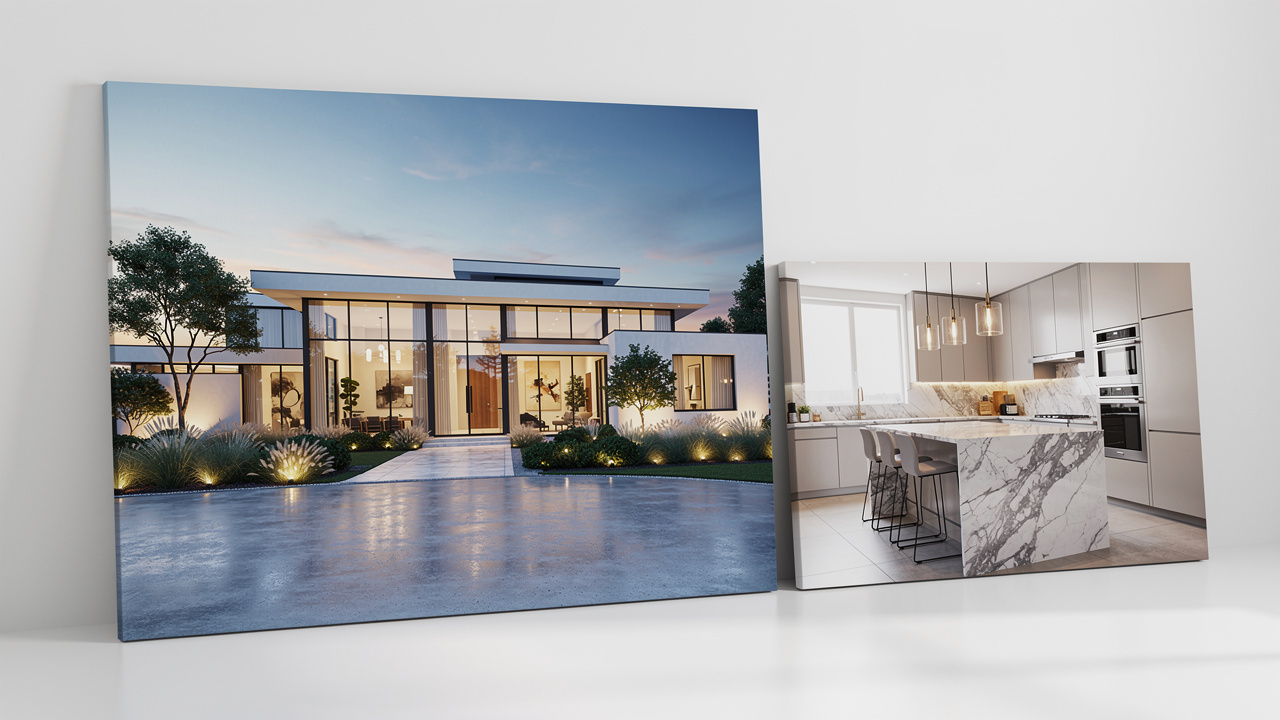
For residential exteriors, presentation or permit‑level views usually cost around $300–$500 per image. These focus on massing, materials, and basic site context rather than full lifestyle storytelling. Marketing‑grade visuals for custom homes or small developments typically range from $500 to $1,500 per image, with premium, highly polished shots reaching $1,500 to $3,000 or more. A four‑view package for a single home often lands between $1,800 and $3,500.
Commercial exteriors sit higher. Office buildings, mixed‑use blocks, and hospitality projects often require detailed streetscapes, traffic, and neighboring structures. Those images tend to run from $2,000 to $5,000 each at established studios in markets like New York or Los Angeles. High‑rise hero images with complex urban context can push beyond that band.
Interior renders usually sit between $800 and $2,600 per image.
Simple bathrooms or corridors: near the lower end
Kitchens, living rooms, and standard bedrooms: mid‑range
Large lobbies, spas, and luxury interiors with custom furniture and rich materials: upper ranges
Aerial or bird’s‑eye visuals call for extensive context and higher resolution. Expect $1,500 to $4,000 per image for these, depending on site size and surrounding detail.
3D floor plans often range from $600 to $1,500 per image and are commonly bundled with exterior and interior views. Virtual staging, where empty spaces are furnished digitally, usually costs $1,200 to $1,800 per room at traditional studios, but AI tools such as VizCloud can cut that cost sharply compared with physical staging.
Animation and Immersive Formats: What Does a 3D Walkthrough Cost?
For animation, pricing is almost always per finished minute.
Straightforward functional walkthroughs that focus on spatial flow with limited extras: $3,000–$5,000 per minute
Full architectural animations with richer environments, people, and more refined motion: $5,000–$10,000 per minute
Marketing‑grade real estate films with cinematic camera paths, storytelling, and heavy post work: $8,000–$15,000+ per minute
VR and real‑time interactive experiences for platforms such as Unreal Engine or Unity usually start around $15,000 and can go beyond $30,000 for complex sites.
Resolution matters here too. Rendering one minute of animation at FHD on a cloud render farm frequently costs around $2,000 in compute fees alone; 4K output can roughly double that, as noted in technical briefs from NVIDIA. Static 360‑degree panoramas and virtual tour scenes tend to cost $1,500–$2,500 per space when produced as part of a coordinated package.
The Four Pricing Tiers: What Do You Actually Get at Each Level?
The four main price tiers explain why 3D architectural rendering cost swings from under $200 to over $14,000 per image. Each tier serves different goals, from rough concepts to flagship marketing campaigns. Picking a tier that matches your use case is often more important than squeezing price at any single level.
Entry tier ($99–$200 per image): mostly offshore providers and junior artists. Quality is inconsistent, and communication gaps are common. This level rarely suits client‑facing work for architects, designers, or real estate professionals in the US. It can still help with very early design sketches when expectations are low.
Basic professional tier ($300–$500 per image): clean, accurate images suitable for permits, internal reviews, and plan sales. They may not hold up as hero shots on a national campaign, but they communicate the design clearly. Many regional studios, as well as efficient AI‑based tools like VizCloud, can hit this level reliably.
Mid‑level or marketing‑grade tier (about $400–$3,000 per image): deeper realism, refined lighting, and strong composition. According to client surveys reported by ArchDaily, this is where most developers and design firms invest for sales centers, brochures, and listing portals.
High‑end or elite tier ($3,000–$14,000+ per image): supports luxury towers, landmark civic work, and major funding presentations. Studios in this range treat each image like a small film production, with custom environments, lighting studies, and intensive post‑processing.
Bottom-Market ($99–$200) vs. Professional Tiers: Risks and Red Flags to Know
The lowest tier can look tempting when budgets feel tight, yet it usually carries hidden risks. Portfolios may include a few strong samples mixed with many weak ones, or thumbnails that cannot be enlarged for closer review. Some vendors add separate charges for higher‑resolution files or even for basic revision requests.
Language and time‑zone gaps often slow feedback, which drags simple projects over many weeks. Many professionals who start at this level end up commissioning a second set of renders from a mid‑tier studio, spending more in total than if they had started higher. Reviews on platforms such as Upwork and Trustpilot often mention this pattern.
To judge professional options, look for:
portfolios that match your building types
clear revision policies
visible reviews on Google Business, Yelp, or the Better Business Bureau
For most US‑based architects and real estate marketers, the $800–$3,000 mid‑tier bracket delivers the right balance of visual quality, reliability, and predictable pricing.
How To Reduce 3D Rendering Costs Without Sacrificing Quality
Smart process choices can cut 3D architectural rendering cost by a large margin without any drop in image quality. The biggest savings come from better preparation, quicker decisions, and realistic timelines, not from chasing the lowest hourly rate.
Studios and platforms do their best work when the scope is clear from the start. Complete architectural drawings, material schedules, and mood references reduce guesswork and rework. According to internal benchmarks shared by several visualization firms and summarized by CGarchitect, projects with complete briefs are often quoted 15–25% lower than poorly defined ones. That discount reflects the reduced risk of endless changes.
Matching realism to the actual use case matters just as much. Permits and internal workshops rarely need the same polish as a national ad campaign. Batching multiple views from the same scene and avoiding rush deadlines both keep the total bill down. AI workflows with VizCloud add another lever, since they remove a lot of manual labor and almost all hardware overhead.
Tip: Treat the first render as a “design review,” not a final poster. Major changes are cheaper at this stage than after everything is color‑corrected and retouched.
7 Practical Strategies To Cut Rendering Costs On Your Next Project
The following checklist applies whether you hire a studio or use VizCloud for in‑house work.
Define the full scope before you ask for quotes. Include plans, elevations, sections, and any 3D models you already have. Add notes on camera angles, lighting mood, and key materials so there is little room for guesswork.
Match realism and price tier to where the image appears. Use presentation‑level renders for permits and internal boards. Reserve premium marketing‑grade only for the views that truly sell the project. This keeps average 3D architectural rendering cost under control across the whole package.
Order all needed views together rather than one at a time. Once a scene is built, new camera angles are far quicker to produce. Many studios reduce per‑image pricing by 20–30% when they can reuse the same setup.
Provide mood boards and reference photography. Share examples for materials, furniture, and lighting. When the artist sees what you want, fewer test drafts are required. Existing BIM or SketchUp models, even rough ones, often shorten modeling time as well.
Collect feedback into one marked‑up PDF or document per revision round. Fragmented comments generate duplicate work and extra rounds. A single, clear list per round shortens the process and lowers the final bill.
Set realistic schedules that avoid rush fees. Standard lead times are three to seven business days for a still and one to three weeks for multi‑view sets. Tight 48‑hour requests often add 25–50% to base pricing.
Build ongoing relationships with reliable providers or commit regularly to VizCloud. Many vendors introduce preferred rates after a steady flow of work. Familiarity with your style also trims briefing time on every project.
Is AI Rendering Changing the Cost of Architectural Visualization in 2026?
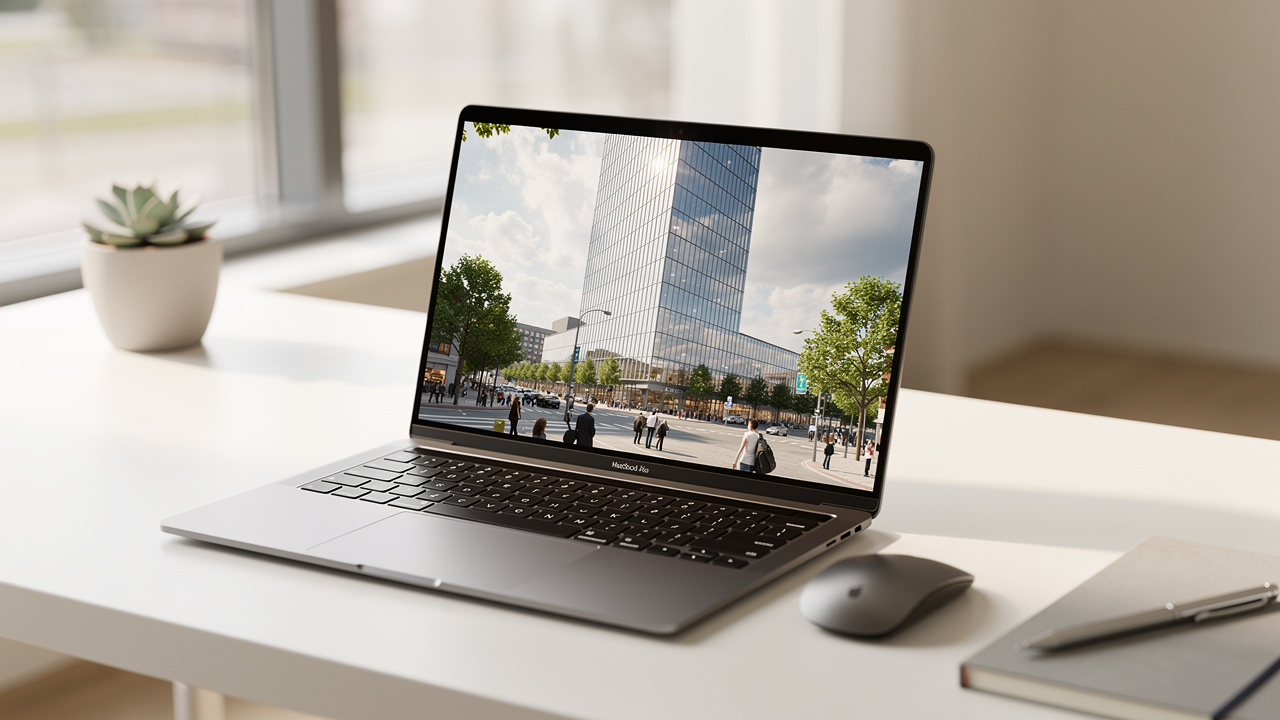
AI‑driven tools are reshaping 3D architectural rendering cost by reducing both labor hours and technical barriers. Tasks that once required a specialist running engines like V‑Ray, Lumion, Enscape, or Twinmotion on a high‑end workstation can now finish in minutes on cloud platforms such as VizCloud.
Generic image generators such as Midjourney and Stable Diffusion show what fast, low‑cost visuals look like, but they fall short for serious architecture. They often miss dimensions, misread plans, and lack consistent control from one revision to the next. That is why professional teams still rely on geometry‑based workflows for permit sets, client approvals, and marketing packages.
Purpose‑built AI platforms change the equation more directly. By combining plan interpretation, material styling, lighting, and post work in a single pipeline, they replace several separate steps. Research from McKinsey suggests that generative tools in design and construction could trim design‑phase labor by double‑digit percentages over the next decade. Those hours translate straight into lower per‑image cost or into more iterations within the same budget.
VizCloud sits inside this shift for architects, BCIN designers, and real estate marketers who want visualization closer to their desks. Instead of sending every render to an outside studio, many teams now handle quick concept exteriors, interiors, and staging internally, then reserve traditional studios only for a few flagship hero shots.
How VizCloud Compares to Traditional Rendering Studios and Software
Traditional studios still deliver beautiful work, yet they carry fixed overhead that shows up in every invoice. A single marketing image can cost several hundred to several thousand dollars, with timelines of three to seven days and extra charges for revisions or rush delivery. Managing multiple vendors for modeling, rendering, staging, and retouching also creates friction for busy firms.
Classic rendering software such as V‑Ray, Lumion, Enscape, and Twinmotion shifts more cost into licenses and hardware. Firms must buy and maintain powerful GPUs, train staff, and keep up with version changes. According to product guidance from Autodesk, visualization software often runs best on high‑end workstations, which adds capital expense beyond the software itself.
VizCloud takes a different path. It offers AI‑powered exterior and interior rendering, virtual staging, style transfer, quality improvement, and targeted editing in one browser‑based platform. Users upload plans, models, or even rough sketches, then receive photorealistic results in minutes. There is no need for dedicated rendering staff, no workstation upgrades, and no per‑seat license puzzle. Pricing is transparent and predictable, which makes 3D architectural rendering cost easier to plan for solo designers and small to mid‑sized firms.
Does Professional 3D Rendering Actually Pay for Itself?
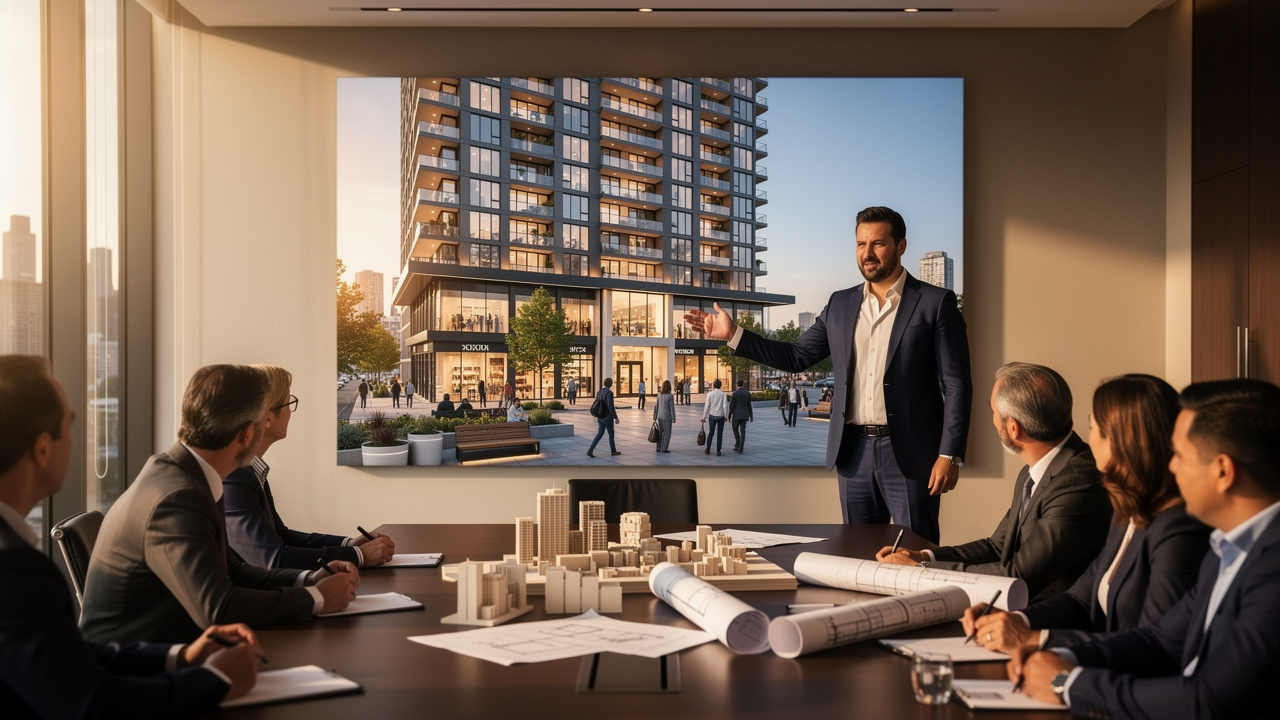
Professional visualization often pays for itself many times over when tied to real business goals. The better question is less “How much does it cost?” and more “What does this image help you achieve?” For developers, architects, and agents, gains usually show up in faster sales, fewer construction problems, and clearer approvals.
On the sales side, photorealistic images help buyers commit before ground is broken. Listings that feature strong visuals and tours tend to attract more attention and qualified leads. According to the National Association of Realtors, 82% of buyers’ agents say staging helps clients visualize a property as their future home, which hints at how much realistic imagery guides decisions. Virtual staging with VizCloud can create that same effect at a fraction of physical staging costs.
Design validation is another big source of return. Detailed renders often reveal awkward proportions, material clashes, or lighting problems while changes are still cheap. Research from McKinsey Global Institute shows that large construction projects frequently run about 20% longer and up to 80% over budget, with late design changes as a major cause. Catching issues in visualization reduces that risk.
High‑quality renderings also support smoother planning and investor meetings. Clear visuals shorten discussions with city planners and committees who may not read technical drawings easily. For a project where a single unit sells for $500,000, the difference between a $500 and a $2,000 render is tiny beside the revenue it helps bring in.
The Smart Choice for 3D Rendering in 2026
Across the market in 2026, still images range from under $200 to well above $14,000, while animations typically run $3,000–$15,000 or more per finished minute. The right point on that spectrum always depends on the use case, from simple permit views to high‑stakes marketing launches.
Three levers give you the best control over 3D architectural rendering cost:
clear preparation that avoids endless revisions
batching views to improve per‑image pricing
matching quality to purpose so you do not overpay where polish is not needed
VizCloud adds a fourth lever by bringing fast, AI‑based rendering into your everyday toolkit. Architects, designers, and real estate teams can keep more visuals in‑house, reserve large studio budgets for select images, and still present polished, photorealistic work. To see how this fits your next project, explore VizCloud and test a few of your own plans.
Frequently Asked Questions
Question: How much does a single residential exterior rendering cost in 2026?
Answer: For a typical custom home, presentation‑level views usually cost $300–$500 per image. Marketing‑grade exteriors often sit between $500 and $1,500. Premium, highly polished views can reach $1,500–$3,000 or more. A four‑view package for one house often totals $1,800–$3,500, depending on landscaping detail and turnaround time.
Question: Why do 3D rendering prices vary so much for similar‑looking projects?
Answer: Two projects that both ask for “an exterior render of a house” can hide very different workloads. Complex architecture, heavy landscaping, detailed context, and tight deadlines all add hours. Senior artists may charge more but need fewer revisions. Custom modeling instead of stock assets and extra revision rounds also stretch 3D architectural rendering cost for seemingly similar briefs.
Question: How many revision rounds should a professional rendering quote include?
Answer: Most professional quotes include two or three structured revision rounds in the base fee. Each extra round usually costs $100–$400, especially once the image has reached near‑final quality. It helps to define the line between a revision and a scope change early. Structural redesigns or new camera angles can justify a partial re‑quote from any studio.
Question: Can AI tools fully replace traditional 3D rendering studios?
Answer: General AI image tools like Midjourney and Stable Diffusion are not ready to replace traditional studios for commercial architectural work. They struggle with accurate geometry and consistent revisions. Purpose‑built AI platforms such as VizCloud differ because they focus on plans, scale, and controllable edits. They can handle many day‑to‑day visuals, while complex hero shots may still suit specialist studios.
Question: What is the average cost of a 3D architectural rendering?
Answer: Across project types, many professionals budget around $1,500 per still image as a broad average. Some images cost much less and others far more, depending on tier, detail level, and provider. For animation, a rough planning number of about $8,000 per finished minute is common. Actual quotes still need to reflect your project scope and schedule.
Question: How long does it take to produce a professional architectural rendering?
Answer: A single still image usually takes three to seven business days from a traditional studio. Multi‑view sets often need one to three weeks, and complex animations may run three to six weeks. Rush requests within 48 hours tend to carry 25–50% premiums. AI platforms like VizCloud often produce photorealistic stills in minutes, which supports same‑day client meetings.